Overview
Join us for the Deep Tech Track at Dev Fest Chennai 2026 to explore how frontier AI and scientific research are shaping safer robotics, smarter healthcare, materials discovery, and real-world infrastructure.
Speakers
10Ayana Ghosh
Dishant ParakhProgram Associate, India Team, Ocean Energy Pathway (OEP)
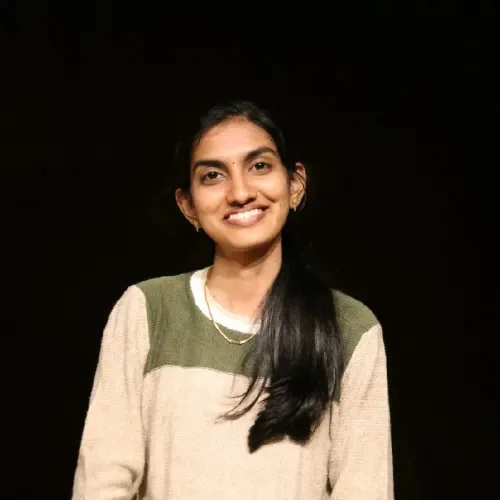 Hemapriya N
Lakshmanan NatarajAI Researcher and Consultant
Moumita MukherjeeAI Team Lead, Solinas Integrity
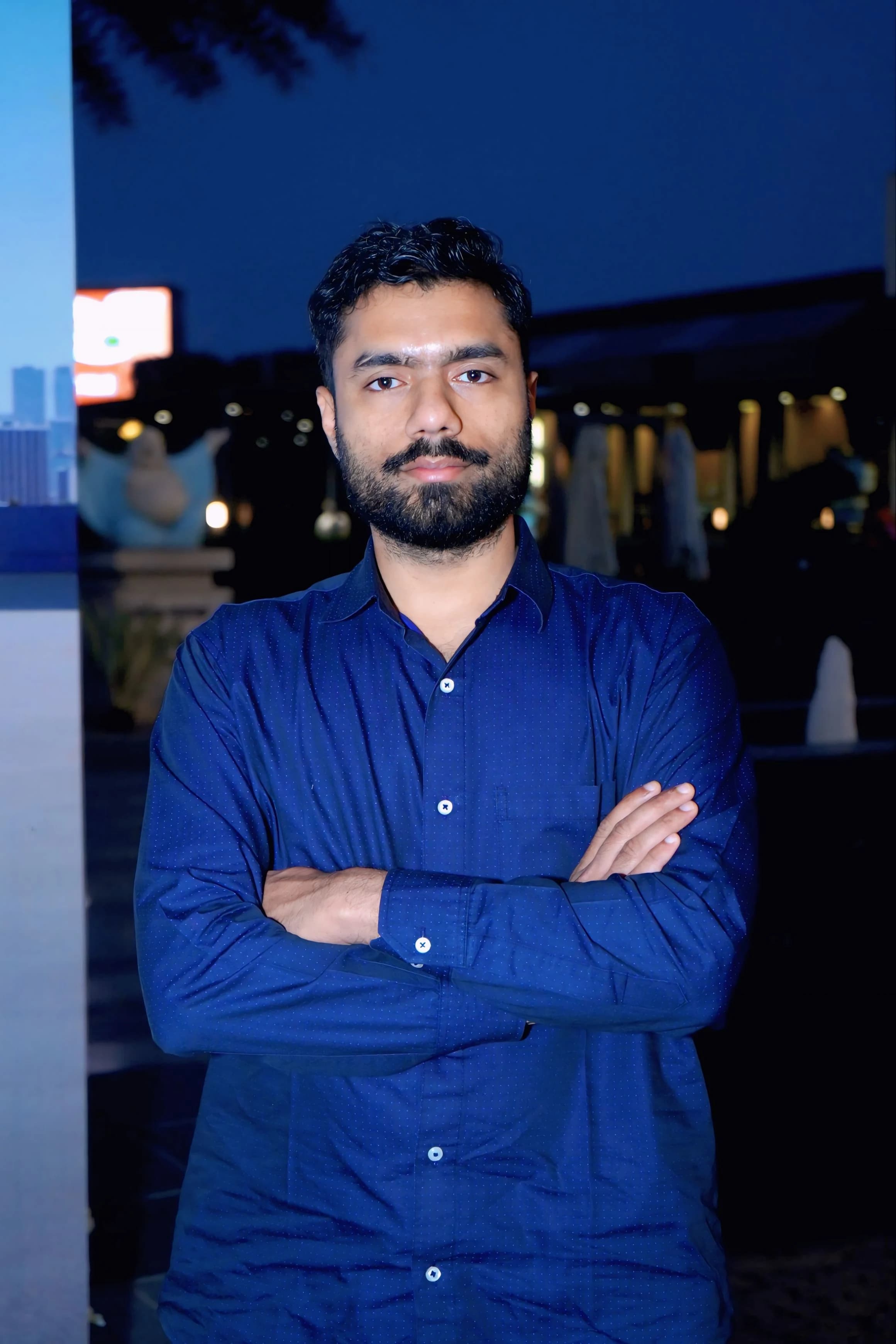 Mywish Anand
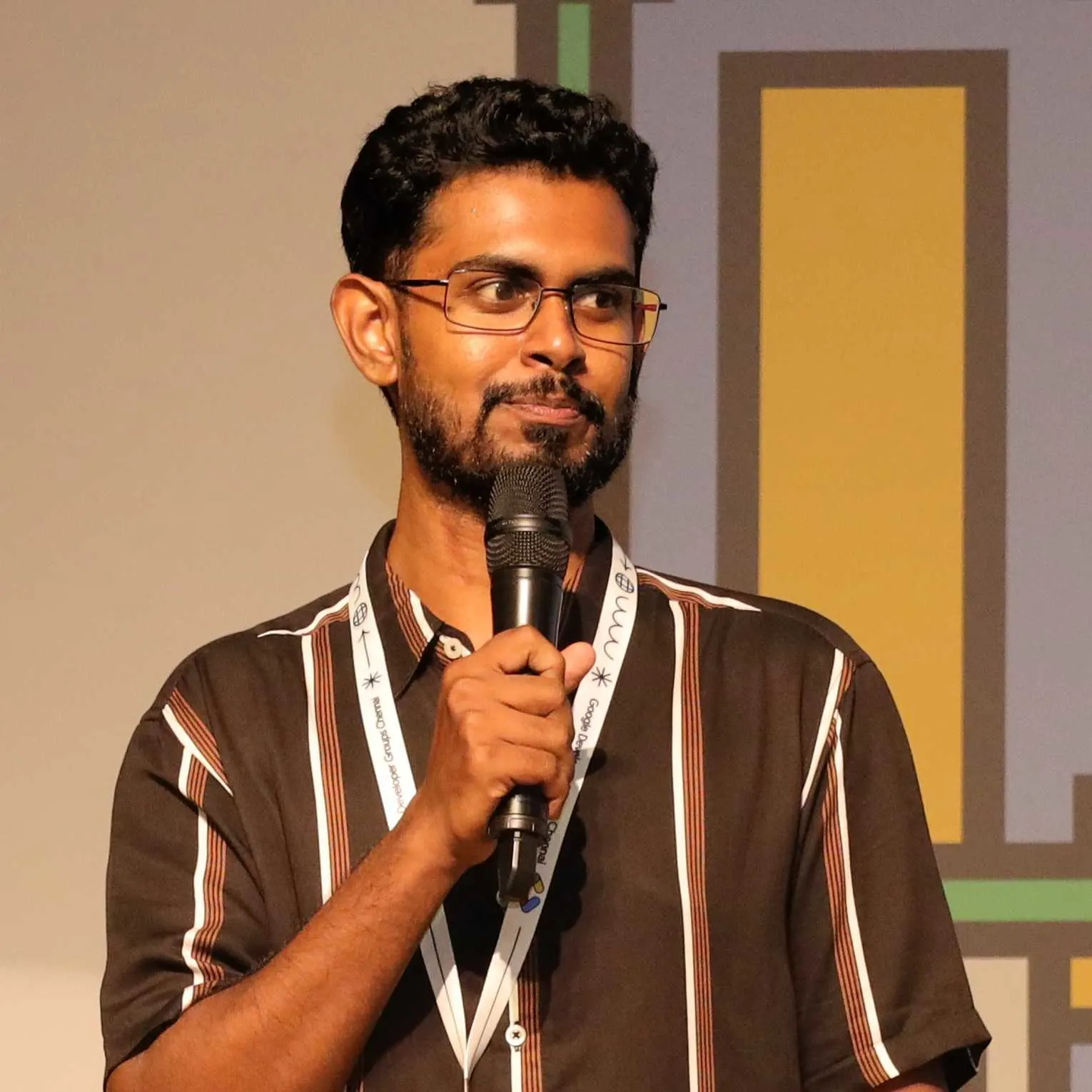 Naveen S
Pulkit VermaAssistant Professor, Department of Computer Science and Engineering, IIT Madras
 Ramachandran A
- Nimeshika JayachandranStrategic Partnerships Manager, MediSim VR
Schedule
Can AI Help a City Breathe?
Air pollution is not just a problem of measurement; it is a challenge of identifying sources, enabling timely enforcement, and determining whether interventions actually improve air quality. Using Chennai as a context, this session explores how AI and digital technologies can help bridge the gap between environmental data and effective public action.Beginning with the fundamentals of air pollution, its health and economic impacts, and the strengths and limitations of the Air Quality Index (AQI),
When AI Leaves the Lab: Building Physical AI People Can Trust
As AI agents and robots move from controlled laboratories into homes and workplaces, ensuring their safety and reliability becomes increasingly complex. Conventional benchmarks often fail to capture what a system can safely do for a particular user in a specific environment. This talk explores a more human-centred approach to evaluating physical AI: making system capabilities interpretable, identifying limitations, and assessing safety in real-world contexts. Drawing on research in interpretable
Automated Defect Detection in Water and Sewer Pipelines
How can AI make water and sewer pipeline inspections faster, more consistent, and data-driven? This session explores how computer vision and object detection models can identify and classify pipeline defects from inspection videos, supporting more efficient infrastructure assessment.The talk will walk through the end-to-end AI pipeline, from video acquisition and preprocessing to dataset preparation, model training, inference, evaluation, and inspection reporting. It will also address practical
From Malware Images to Deepfake Detection: Unconventional Approaches in Applied AI
What happens when malware is treated as an image, or the subtle statistical patterns in synthetic images become clues to detecting deepfakes? In this talk, Dr. Lakshmanan Nataraj explores two unconventional approaches to applied AI: visualising binary executables for malware classification and identifying GAN-generated images through statistical and co-occurrence patterns.Drawing on these case studies, he examines how novel research ideas can evolve into publications, patents, operational system
Code Blue: How AI and VR Are Rewiring Healthcare
From precision medicine to immersive clinical training, artificial intelligence and virtual reality are reshaping how healthcare is delivered and learned. This talk explores how AI is being used in clinical settings
Can AI Help a City Breathe?
Air pollution is not just a problem of measurement; it is a challenge of identifying sources, enabling timely enforcement, and determining whether interventions actually improve air quality. Using Chennai as a context, this session explores how AI and digital technologies can help bridge the gap between environmental data and effective public action.Beginning with the fundamentals of air pollution, its health and economic impacts, and the strengths and limitations of the Air Quality Index (AQI),