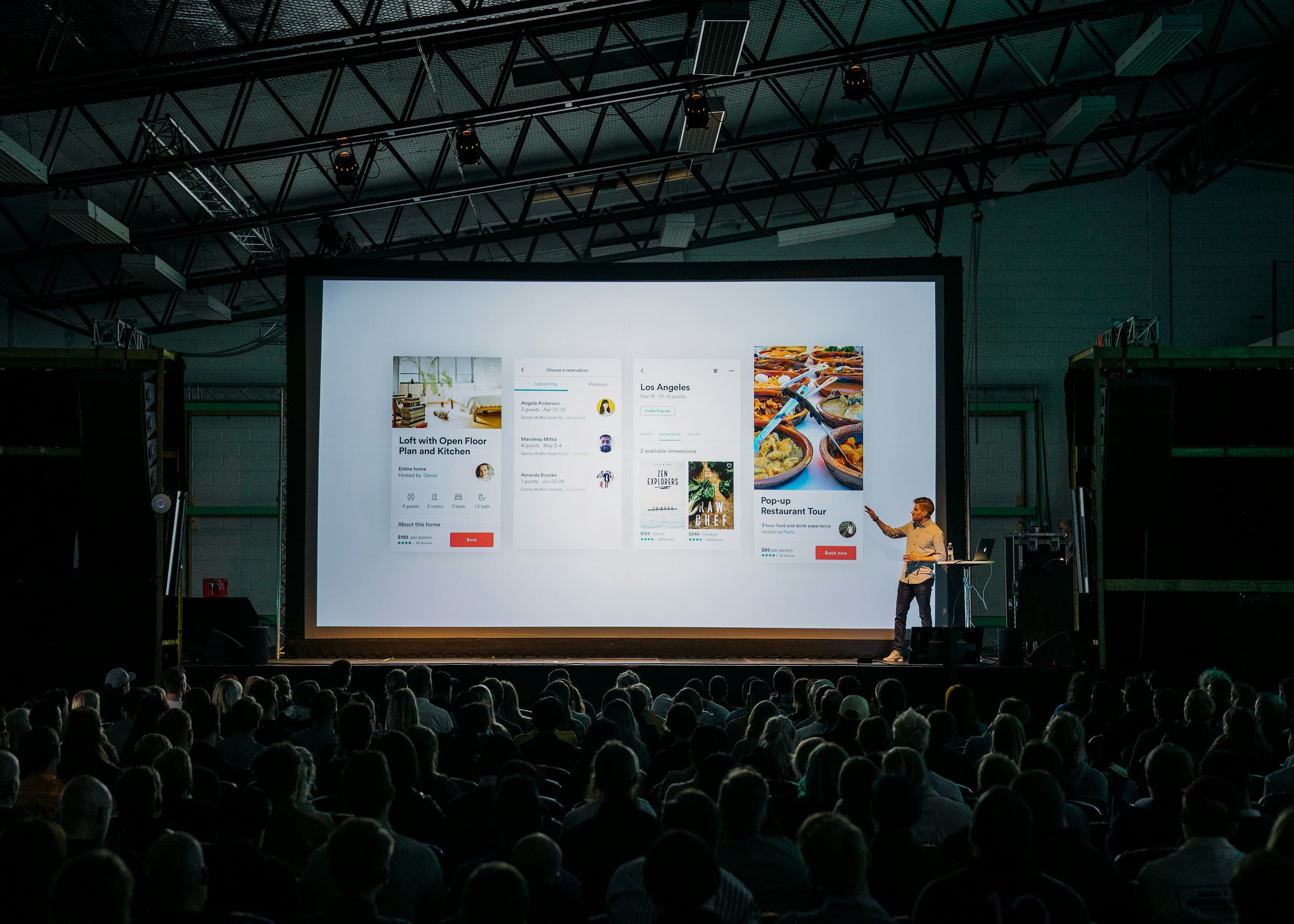
NVIDIA GTC 2026 is shaping up to be one of the most important AI and accelerated computing conferences of the year, bringing developers, researchers, and business leaders together in San Jose from March 16–19, 2026.
NVIDIA GTC 2026 Recap: AI Factories, Rubin GPUs, and the Next Wave of Physical AI
If GTC 2025 was about proving that accelerated computing and generative AI are here to stay, GTC 2026 is positioned to show how these technologies become the default infrastructure for everything from data centers to robotics and cars. Over four days in San Jose, thousands of attendees are set to dive into new Rubin‑generation AI GPUs, evolving AI “factories,” and rapidly maturing “physical AI” in robotics and autonomous systems. This recap breaks down the essential themes, why they matter, and what you should do next if you build, deploy, or bet on AI.
Event basics: What, when, where, who
NVIDIA GTC 2026 (GPU Technology Conference) runs March 16–19, 2026, at the San Jose McEnery Convention Center in San Jose, California. It’s a hybrid AI conference, anchored by an in‑person experience in Silicon Valley with keynotes, hundreds of technical sessions, and a large expo floor. NVIDIA describes GTC as its premier global AI event, aimed at developers, researchers, and business decision‑makers across industries like cloud, healthcare, robotics, automotive, and industrial digital twins.
Key facts at a glance:
Dates: March 16–19, 2026.
Location: San Jose McEnery Convention Center, San Jose, CA.
Scale: 500+ sessions and over 300 exhibits, plus hands‑on technical training and labs.
Core focus areas: Rubin‑generation AI GPUs, AI factories, physical AI and robotics, autonomous vehicles, and end‑to‑end AI software stacks.
For anyone working with accelerated computing, GTC 2026 is effectively a roadmap preview of where NVIDIA intends to take the AI ecosystem over the next 12–24 months.
Rubin GPUs move AI compute beyond Blackwell
GTC 2025 put Vera Rubin–class architectures on the map as NVIDIA’s next wave after Blackwell; GTC 2026 is expected to move Rubin GPUs into center stage for the AI data center. These chips are designed for even higher performance and efficiency on large‑scale AI and HPC workloads, with architectural changes that emphasize interconnect bandwidth and scalability for multi‑GPU systems.
From pre‑event reporting and industry expectations:
Rubin is positioned as the successor line after Blackwell, tailored for massive AI training and inference clusters.
The architecture is anticipated to integrate advances in interconnect technologies (for example, successors to NVLink‑class fabrics) to scale to larger multi‑GPU “AI supercomputers.”
GTC 2025 already demonstrated extreme co‑designed platforms like Grace Blackwell NVL72 and outlined Vera Rubin superchips and compute trays, indicating a cadence of yearly platform upgrades.[
For practitioners, the message is clear: plan for yearly AI platform refresh cycles, where each generation reshapes performance, energy efficiency, and cluster design. If you build or run AI infrastructure, GTC 2026 is a signal to start designing for multi‑generation hardware lifecycles and modular, fabric‑centric architectures.[
AI factories and national AI infrastructure become concrete
Across recent keynotes, NVIDIA has pushed the idea of “AI factories” – tightly integrated data centers that turn data into AI models and services at industrial scale. In 2025, the company showcased Grace‑Blackwell systems, AI factories for industrial digital twins, and a push for national‑scale AI infrastructure in partnership with U.S. government
Going into GTC 2026, expectations and agenda themes point to:
Larger, more integrated AI factory blueprints built around Rubin GPUs and next‑gen NVLink‑class interconnects.
Expansion of AI factories beyond cloud hyperscalers to telco, manufacturing, and automotive ecosystems.
Continued focus on AI‑accelerated scientific computing, including hybrid quantum‑classical workflows using technologies like NVQLink to connect GPUs and quantum processing units.
This evolution transforms AI from “tools and models” into infrastructure you design your organization around, similar to how companies once reorganized around ERP or cloud platforms. Teams that own data platforms, MLOps, or cloud strategy should treat GTC 2026 as a reference point for long‑term AI capacity planning and national‑ or sector‑level
Physical AI and robotics step into the spotlight
Physical AI – intelligent systems that act in the real world, from warehouse robots to autonomous vehicles – has been a growing highlight in NVIDIA’s recent events. GTC 2025 keynotes featured humanoid robotics, NVIDIA’s Newton simulation platform, and expanded adoption of the DRIVE autonomous driving stack by global automakers and robotaxi operators.
Event listings and partner pages for GTC 2026 emphasize:
Robotics demos and sessions showing “physical AI” applied to logistics, manufacturing, and healthcare.
Continued evolution of NVIDIA Omniverse‑based digital twins to simulate factories, cities, and robot fleets.
Autonomous driving tracks focusing on the DRIVE platform and partnerships with automakers and mobility operators.
If you work in robotics, industrial automation, or automotive, the practical takeaway is that simulation, perception, and control are converging on shared accelerated computing stacks. GTC 2026 content provides a roadmap for how to standardize your development around common platforms instead of maintaining fragmented, custom stacks per robot or vehicle program.
Telecom, 6G, and edge AI get a dedicated lane
NVIDIA has been expanding aggressively into telecom, positioning GPUs and AI as core components of future 6G networks and software‑defined radio infrastructure. In a 2025 GTC keynote from Washington, D.C., CEO Jensen Huang announced a partnership with Nokia to build an AI‑native 6G platform called NVIDIA Arc (Aerial RAN Computer), powered by Grace CPUs, Blackwell GPUs, and high‑performance networking to run CUDA‑based wireless stacks.
By GTC 2026, you can expect:
Deeper telecom tracks focusing on AI‑native RAN, vRAN/oRAN acceleration, and network digital twins
Edge AI reference architectures that bring data center‑class AI to base stations, remote facilities, and vehicles.
Sessions aimed at telco architects, 5G/6G researchers, and cloud providers building managed telco AI services.
For network vendors and operators, GTC 2026 reinforces a strategic shift: future networks look more like GPU‑accelerated cloud platforms with radios attached, not fixed appliances. That has direct implications for how you design, test, secure, and operate next‑generation communication systems.
The software stack keeps expanding – CUDA, Omniverse, and open models
GTC is never only about hardware; it’s the main stage for NVIDIA’s software and developer ecosystem. Previous keynotes have highlighted CUDA‑X libraries, Omniverse for industrial simulation, and open AI models that run efficiently on NVIDIA platforms.
Looking at the 2026 positioning and partner ecosystem:
Developers can expect new or updated SDKs and frameworks that target Rubin‑class hardware and multi‑GPU AI factories.
Omniverse‑based tools like Omniverse DSX are likely to receive updates for more realistic digital twins and multi‑domain simulations (factories, cities, robotics, and vehicles).
NVIDIA has signaled continued investment in open models and tools for building and deploying domain‑specific AI, from enterprise copilots to robotics policies.
For engineers, this means more verticalized, end‑to‑end toolchains, reducing the amount of glue code you need between simulation, training, and deployment. It also raises the bar for keeping up with new SDKs and best practices released on a roughly annual GTC cadence.
What this means for different roles
For developers and ML engineers
Expect higher baseline performance and larger model sizes to become table stakes, driven by Rubin‑class GPUs and improved interconnects.
Invest in learning the evolving CUDA, CUDA‑X, and higher‑level frameworks that NVIDIA aligns with GTC each year.
Use GTC session recordings and code samples as a roadmap for pattern‑level changes (for example, hybrid classical–quantum workflows or large‑scale agentic AI systems).[
For engineering managers and architects
Plan infrastructure and budgets around a one‑year rhythm of major platform upgrades (Grace Blackwell to Rubin, and beyond).
Treat AI factories and digital twins as long‑term capital investments, not experimental projects.
Align teams to shared simulation and deployment stacks (Omniverse, DRIVE, robotics SDKs) to reduce fragmentation and duplicated effort.[
For business and product leaders
Use GTC announcements as input into multi‑year product roadmaps, especially in sectors like automotive, telecom, and industrial automation.
Watch partnerships (for example, with Nokia and U.S. national labs) as signals of where regulation, infrastructure funding, and ecosystem standards may go.
Consider how AI factories, physical AI, and digital twins can turn your organization’s proprietary data and processes into defensible advantages.
Resources, recordings, and next steps
NVIDIA typically publishes GTC keynotes, technical talks, and training sessions on the official GTC website after the event, along with links to slides, demo code, and registration for future sessions. Partner pages (for example, from Accenture, Equinix, and others) also highlight industry‑specific demos and solution briefs tailored to GTC 2026.
Practical next steps you can include in your blog CTA:
Watch the main GTC keynote replay and download the slides once available from the official GTC site.
Pick 3–5 sessions most relevant to your role (for example, Rubin and AI factory architecture for infra teams; DRIVE and robotics for mobility; 6G and NVIDIA Arc for telco) and summarize those for your team.
Audit your current AI infrastructure and roadmap against NVIDIA’s latest reference architectures and AI factory patterns.
Plan to attend GTC virtually or in person, especially if your organization is making major AI platform bets